
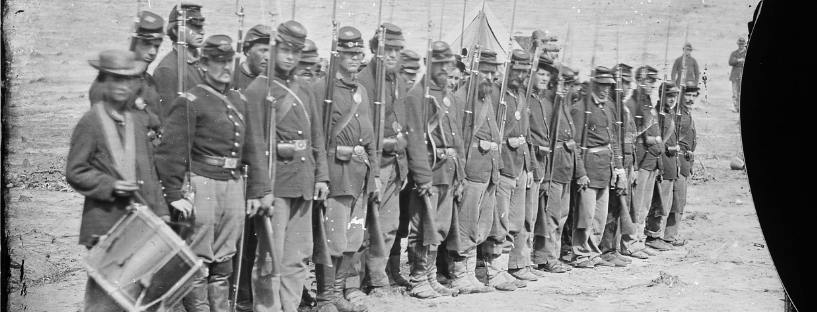
I dove back into my family history the other day. It had been a while since I’d gone on a late-night binge through Ancestry or FamilySearch. It felt good to be back at it. One of my kids recently started learning about the Civil War in school. I think I may have been more excited than he was! I shared the story about a family member who fought for the Union during the war. My mom also recently discovered that we have a Confederate in the family—but that’s a post for another day.
I’ve known about him for a while but hadn’t really looked closely until now. I also remember visiting his grave with my mom years ago. His name was Michael Coyne, my great-great-granduncle.
Michael Coyne was born in Canada around 1845. His parents, Michael and Cecelia (McFadden) Coyne, emigrated from the northwest coast of Ireland around 1836. They lived near Welland, Canada, for several years. It’s unclear whether Michael and Cecelia met and married in Ireland or after arriving in Canada. Either way, during their time there, Cecelia gave birth to three children: Michael (1845), Bridget (1847), and Martin (1849).
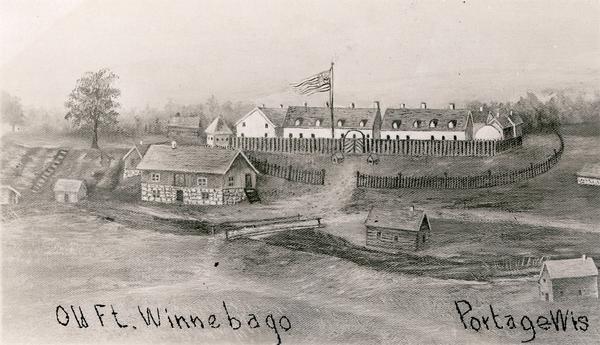
(Wisconsin Historical Society)
Sometime between 1849 and 1851, the family packed up and moved near Portage, Wisconsin. Portage is a historically significant area. The Fox River, which flows north to Green Bay, and the Wisconsin River, which flows south to the Mississippi River, run very close to one another there. This made Portage an early transportation hub, where explorers, missionaries, traders, and Native Americans portaged their canoes between rivers. From 1849-1851 a hand-dug canal was constructed between the two rivers. The canal was used for a century before being closed off.
Portage was also a strategic military outpost in the frontier days of Wisconsin. Fort Winnebago was constructed there in 1828 and served as a U.S. Army outpost until it burned in 1856. At it’s pinnacle, over 200 soldiers were stationed at the base. Jefferson Davis–first and only president of the Confederate States of America–was once stationed at the fort.
After relocating to Portage, Cecelia had three more children: James (1851), John (1853), and William (1857). James is my great-great-grandfather and my connection to Michael.
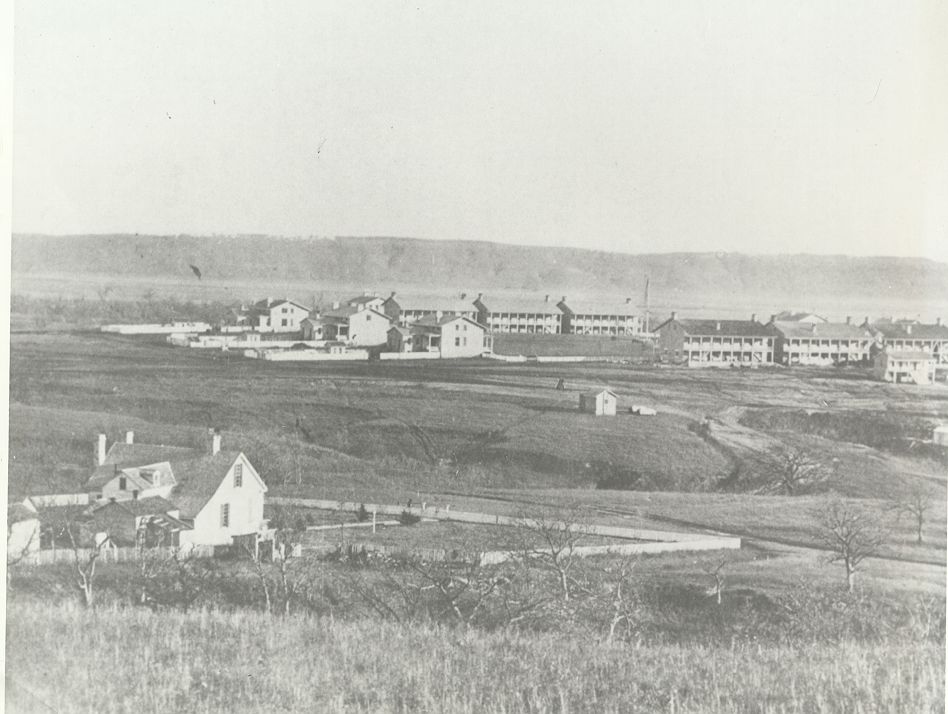
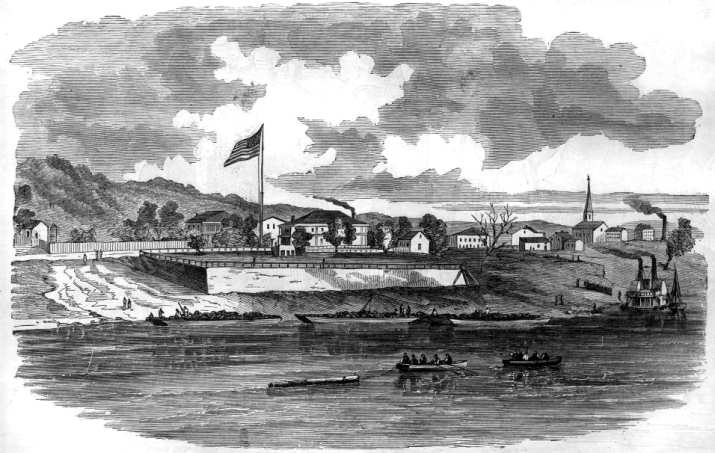
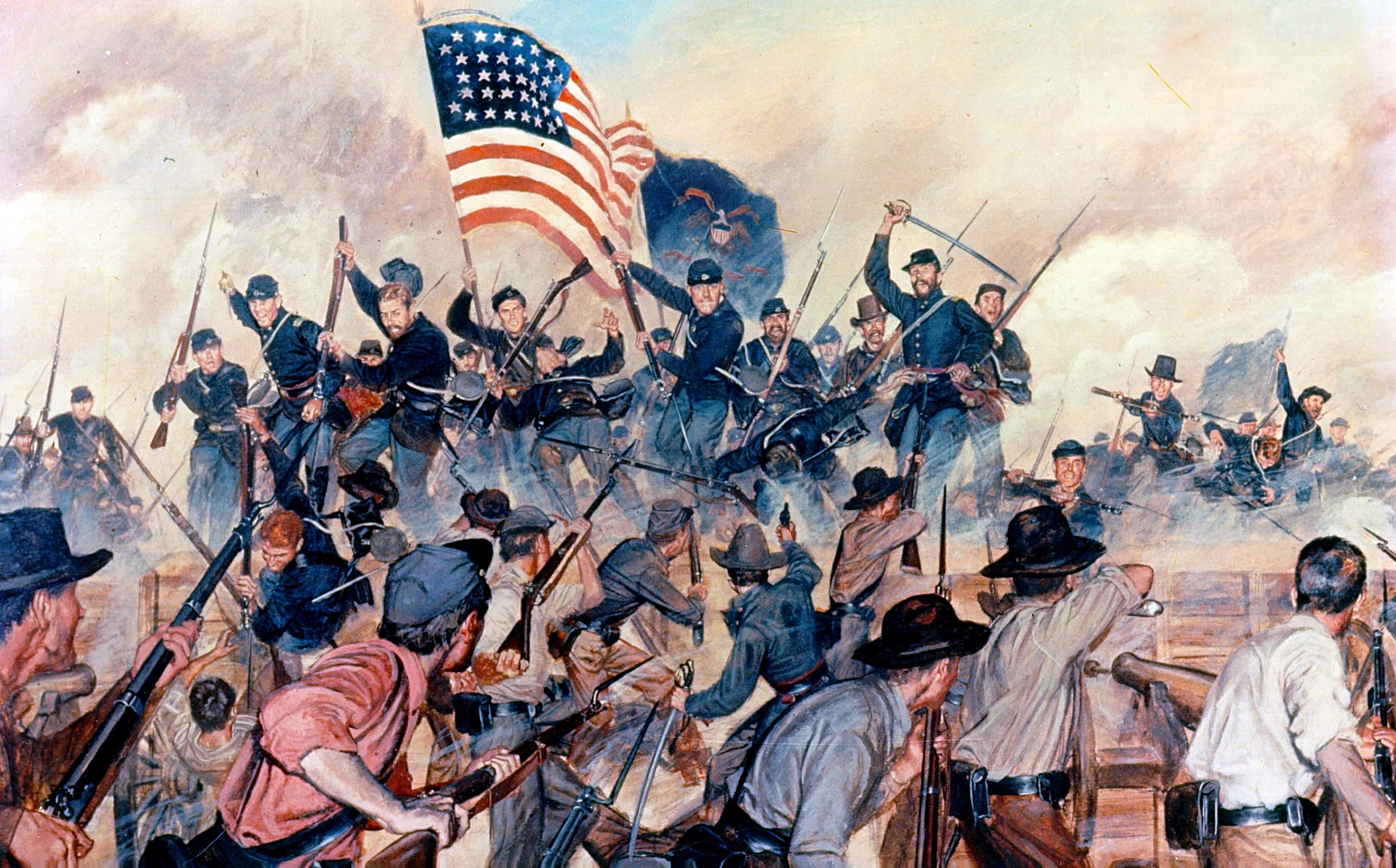
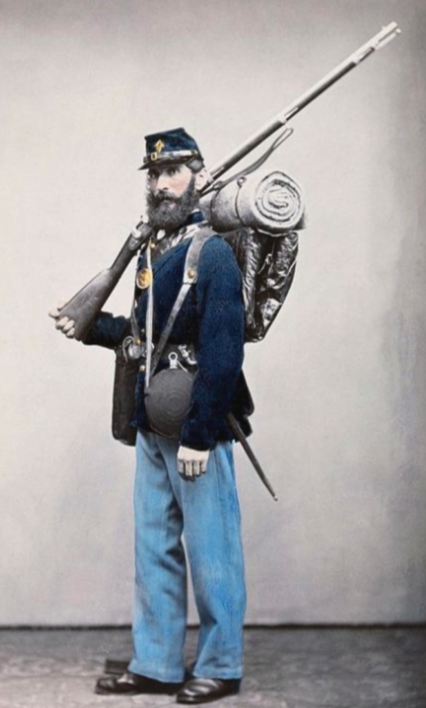
Not long after the family settled in Wisconsin, the Civil War broke out. On December 6, 1862, Michael Coyne traveled to Milwaukee and enlisted in the U.S. Army. According to his service record, he was mustered into Company E of the 13th U.S. Infantry. His regiment participated in several engagements, most notably the Vicksburg campaign. Michael is documented as being sick for several months and was admitted to the hospital at Newport Barracks in Newport, Kentucky. He was discharged from the army in December 1865 at the end of his service, with his final post being Fort Riley, Kansas.
After his discharge, Michael returned to Portage. In 1877, he married Alice Clancey in Kingston, Wisconsin. They lived near Portage until his death on October 10, 1881.
I haven’t yet found an obituary for him, though I believe I am be getting close. He also does not appear in the 1880 census. The only documentation I presently have confirming his death is his application for a government-issued headstone. That discovery leads me into the next part of this story—honoring his memory and his service to our country.
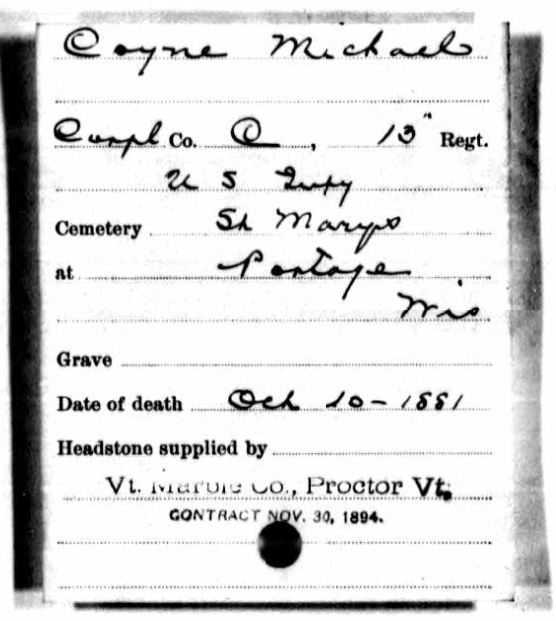
(Ancestry)
Recently, while attending a work conference in the Wisconsin Dells, I stopped in Portage on my way home to visit Saint Mary’s Cemetery. I had been there once before with my mom, but I was only seven or eight years old at the time. The headstone is very dirty and broken. Worse yet, a part of the stone is missing entirely. It seems to have been damaged long ago and simply cemented back together. Needless to say, it is in need of help.
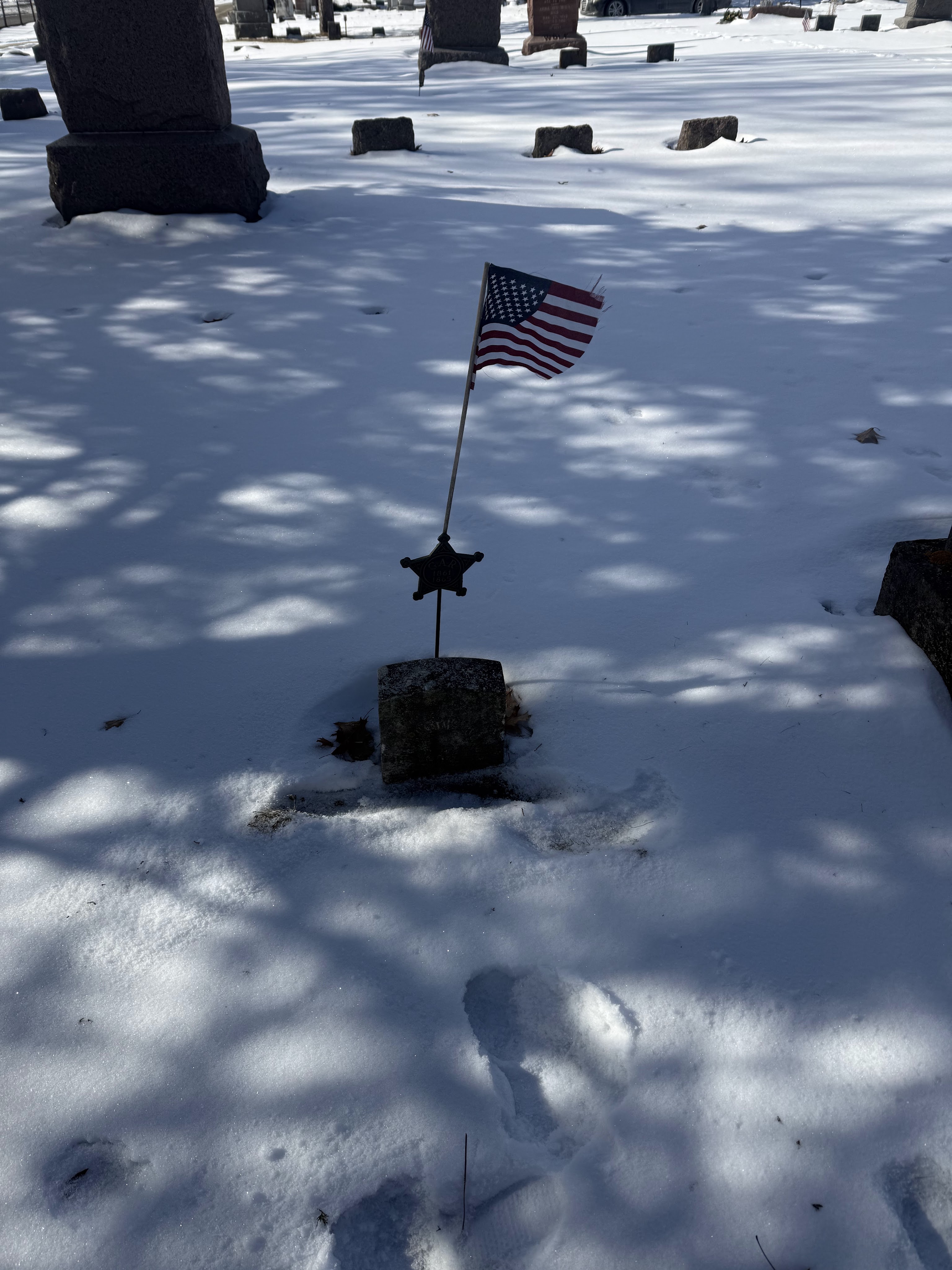
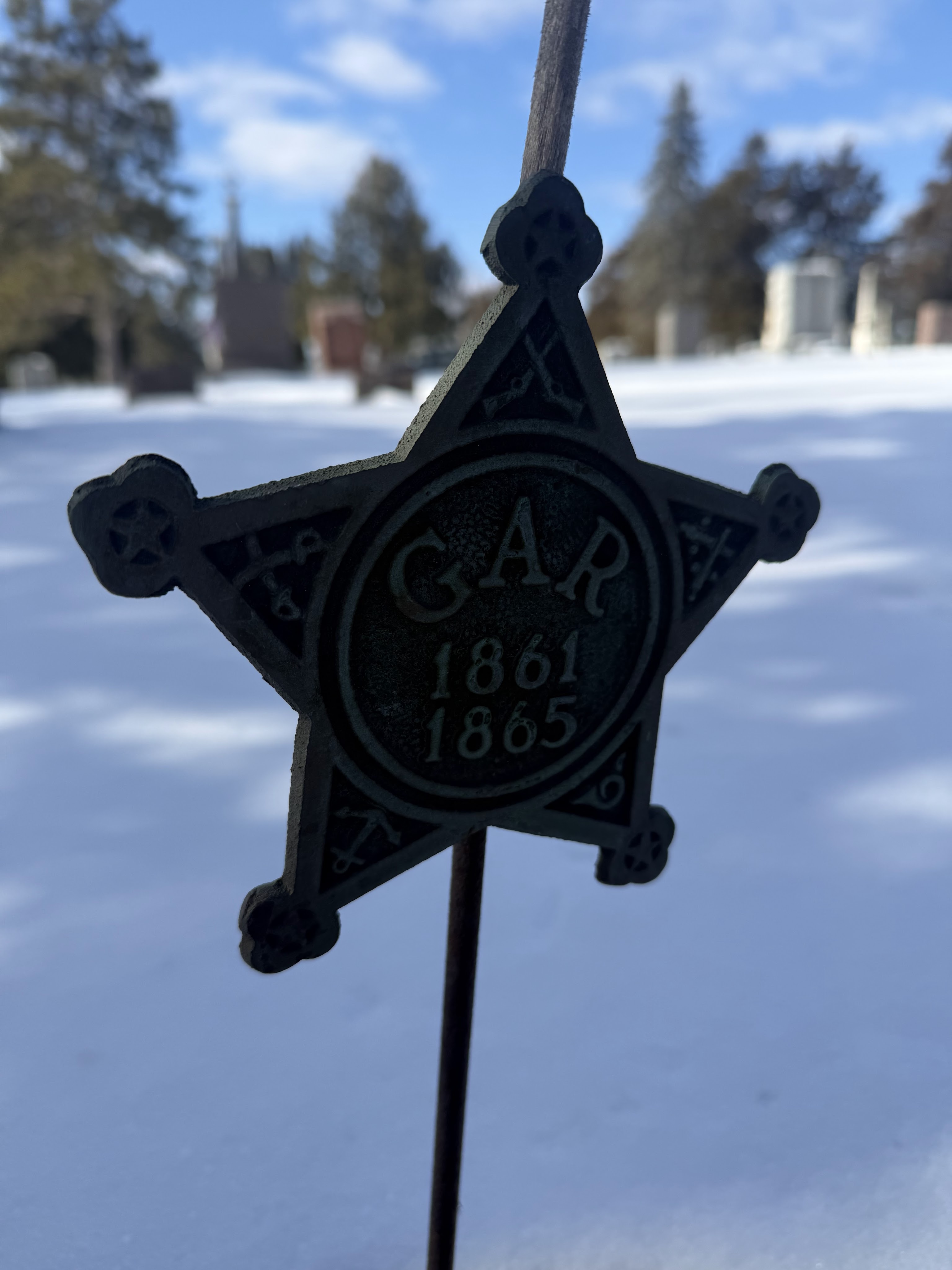
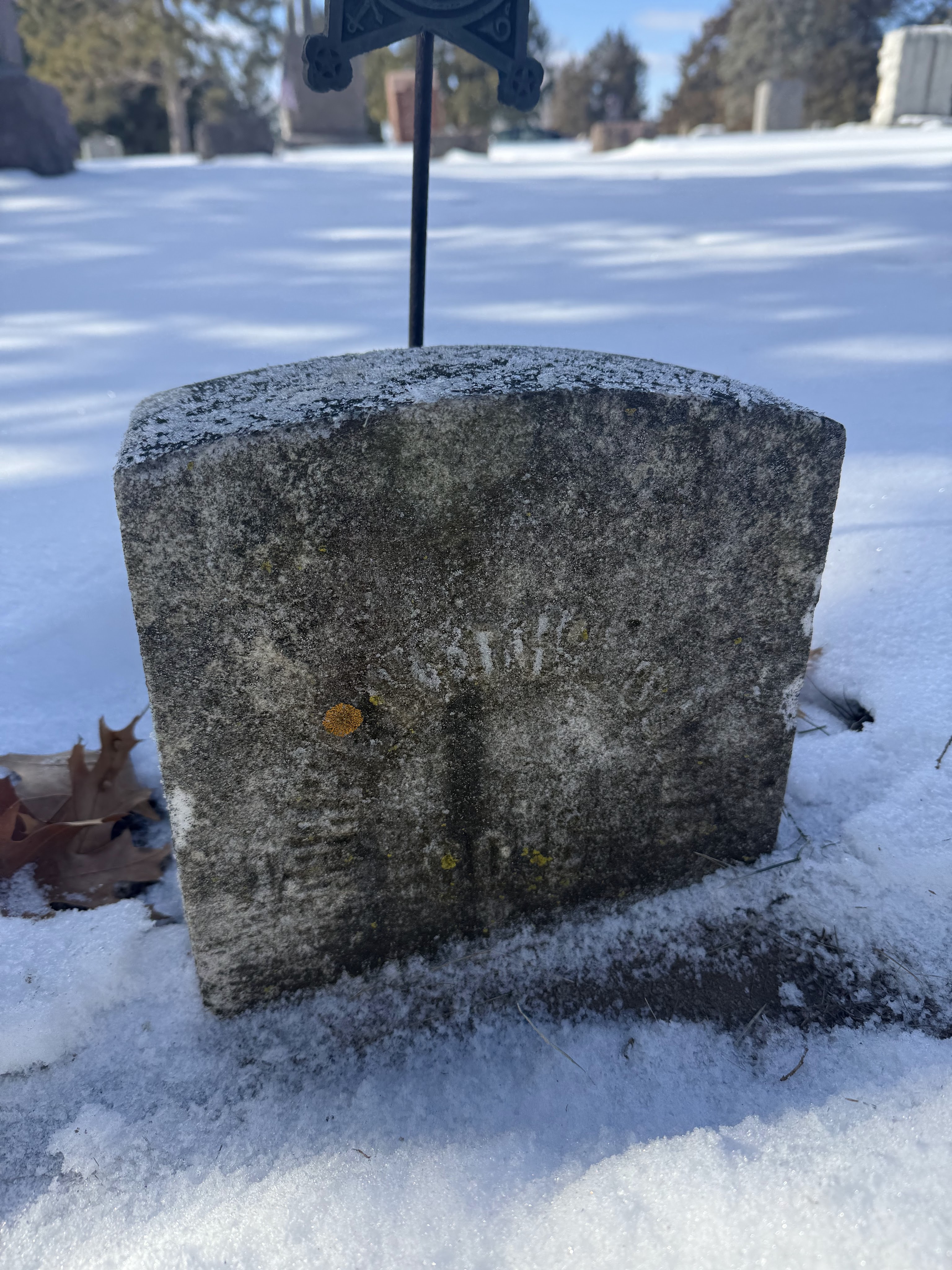
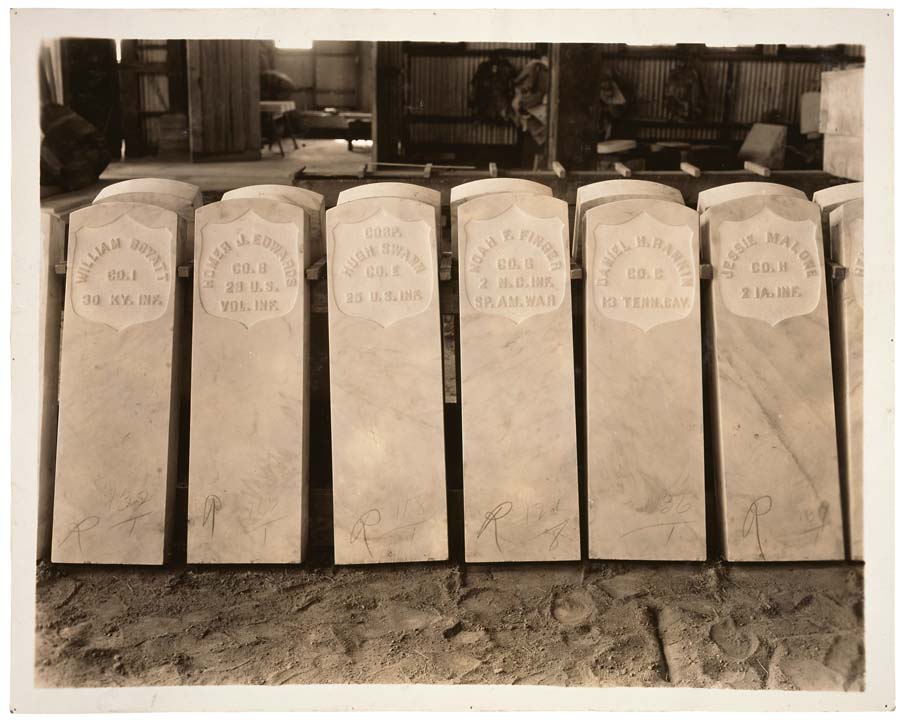
I began researching how to obtain a replacement monument. I reached out to my local Sons of Union Veterans of the Civil War (SUVCW) chapter for guidance. I also contacted the county Veterans Service Office. They confirmed that it could be replaced. I did some more searching. I found out that I need to fill out VA Form 40-1330. This form outlines the requirements for obtaining a replacement military headstone.
I’m hoping to have it replaced by this fall. I am also considering having the SUVCW officiate a re-dedication ceremony. Michael and Alice never had any children, so they have no direct descendants to take care of this for them. I think this is a great way to honor my family’s service during the Civil War. What are your thoughts? Would you replace the stone or leave it as it is? Should I do the traditional white marble or a light granite for longevity?
Do you have any family members who fought in the Civil War? Have you visited their graves? Have you ever had a military headstone replaced? I’d love to hear about your experience.

 The Weekend Historian